Electrical and computer Engineering
Grading System
Examinations are graded on letter grading system as stated in the University Senate Legislation Article 93. The same is shown in Table 1.
Table 1: Grading System
Raw Mark Interval (100%) | Corresponding Letter Grade | Corresponding Fixed Number Grade | Status Description | Class Description |
[90,100] | A+ | 4.0 | Excellent | First Class with Great Distinction |
[85,90) | A | 4.0 | ||
[80,85) | A- | 3.75 | ||
[75,80) | B+ | 3.5 | Very Good | First Class with Distinction |
[70,75) | B | 3.0 | ||
[65,70) | B- | 2.75 | Good | First Class |
[60,65) | C+ | 2.5 | Second Class | |
[50,60) | C | 2.0 | Satisfactory | |
[45,50) | C- | 1.75 | Unsatisfactory | Lower Class |
[40,45) | D | 1.0 | Very Poor | |
[0,40) | F | 0 | Fail | Lowest Class |
Note: To pass a course, the student must achieve a minimum of 40% in the final exam. | ||||
Graduation Requirement
Graduation requirement for all undergraduate programs should satisfy the following minimum requirements as stated in the University Senate Legislation Article 109.
All the required courses/modules and the minimum total credit hours of 180 set in the program curriculum by the respective academic unit should be satisfied, except to phase in and phase out courses.
A cumulative grade point average CGPA of 2.00 must be obtained overall.
No “F” grade in any course/module taken for undergraduate program.
Student who fails to graduate due to less CGPA than the required or due to “F” grade have no more chance to upgrade their CGPA or to remove their “F”. However, they may be given Certificate of Attendance with their transcript stated as “Graduation Failure”
Successfully defended his/her B.Sc. Thesis.
The student must score 50% and above on national exit exam
Degree Nomenclature
After a successful completion of all the requirements, a student graduating from the Electrical and Computer Engineering Department, in one of the respective focus areas, will be entitled to earn
In English:
“Bachelor of Science Degree in Electrical and Computer Engineering (Communications Focus Area)”
In Amharic:
“የሳይንስ ባችለር ዲግሪ በኤሌክትሪካል እና ኮምፒዩተር ምሕንድስና (በኮሚዩኒኬሺንስ የትኩረት መስክ)”
or
In English:
“Bachelor of Science Degree in Electrical and Computer Engineering (Computer Engineering Focus Area)”
In Amharic:
“የሳይንስ ባችለር ዲግሪ በኤሌክትሪካል እና ኮምፒዩተር ምሕንድስና (በኮምፒውተር ምሕንድስና የትኩረት መስክ)”
or
In English:
“Bachelor of Science Degree in Electrical and Computer Engineering (Control Focus Area)”
In Amharic:
“የሳይንስ ባችለር ዲግሪ በኤሌክትሪካል እና ኮምፒዩተር ምሕንድስና (በኮንትሮል የትኩረት መስክ)”
or
In English:
“Bachelor of Science Degree in Electrical and Computer Engineering (Electronics Focus Area)”
In Amharic:
“የሳይንስ ባችለር ዲግሪ በኤሌክትሪካል እና ኮምፒዩተር ምሕንድስና” (በኤሌክትሮኒክስ የትኩረት መስክ)
or
In English:
“Bachelor of Science Degree in Electrical and Computer Engineering (Power Focus Area)”
In Amharic:
“የሳይንስ ባችለር ዲግሪ በኤሌክትሪካል እና ኮምፒዩተር ምሕንድስና (በፓወር የትኩረት መስክ)”
Every course has been given an identification tag, characterized by four-digit code preceded by four letters. Accordingly, for Bachelor of Science Degree Program in Electrical and Computer Engineering the course coding has the following format:
ECEg1234
- ECEg: refers to the home base department which is Electrical and Computer Engineering.
- The first number (1): refers to the year in which the subject is offered.
- The second number (2): refers to the course category.
- The last two numbers (3 & 4): refers to the number given to the semester the course is given, odd number for semester I and even number for semester II.
To maintain the quality of the program it is important to keep the admission requirements up to the standard. This is achieved by strictly following the guideline for admission to the Electrical and Computer Engineering department which is in line with the general university requirement and Senate Legislation.
Course Coding
Every course has been given an identification tag, characterized by four-digit code preceded by four letters. Accordingly, for Bachelor of Science Degree Program in Electrical and Computer Engineering the course coding has the following format:
ECEg1234
ECEg: refers to the home base department which is Electrical and Computer Engineering.
The first number (1): refers to the year in which the subject is offered.
The second number (2): refers to the course category.
The last two numbers (3 & 4): refers to the number given to the semester the course is given, odd number for semester I and even number for semester II.
To maintain the quality of the program it is important to keep the admission requirements up to the standard. This is achieved by strictly following the guideline for admission to the Electrical and Computer Engineering department which is in line with the general university requirement and Senate Legislation.
Semester Course Breakdown for Regular Programs
Basic Engineering Courses
Semester Course Breakdown
First Year, First Semester
Course Code | Course Title | Cr. Hrs | Lec | Tut | Lab |
Phil1009 | Logic and Critical Thinking | 3 | 2 | 3 | 0 |
Psyc1011 | General Psychology | 3 | 2 | 3 | 0 |
FLEn1003 | Communicative English Language Skills I | 3 | 2 | 3 | 0 |
GeES1005 | Geography of Ethiopia and the Horn | 3 | 2 | 3 | 0 |
Math1007 | Mathematics for Natural Science | 3 | 2 | 3 | 0 |
SpSc1013 | Physical Fitness | 0 (P/F) | 1 | 0 | 3 |
Phys1001 | General Physics | 3 | 2 | 3 | |
Total | 18 | 13 | 18 | 3 | |
First Year, Second Semester
Course Code | Course Title | Cr. Hrs | Lec | Tut | Lab |
EmTe1108 | Emerging Technology for Engineers | 3 | 2 | 3 | 0 |
FLEn1004 | Communicative English Language Skills-II | 3 | 2 | 3 | 0 |
Math1014 | Applied Mathematics IB | 4 | 3 | 3 | 0 |
MCiE1012 | Moral and Civic Education | 2 | 2 | 0 | 0 |
Incl1010 | Inclusiveness | 2 | 2 | 0 | 0 |
Anth1002 | Social Anthropology | 2 | 2 | 0 | 0 |
Entr1106 | Entrepreneurship for Engineers | 3 | 3 | 0 | 0 |
Total | 19 | 16 | 0 | 0 | |
Second Year, First Semester
Course Code | Course Title | Cr. Hrs | Lec | Tut | Lab |
Comp2003 | Introduction to Computer Programming | 3 | 2 | 0 | 3 |
GLTr2011 | Global Trend | 2 | 2 | 0 | 0 |
MEng2101 | Engineering Drawing | 3 | 1 | 0 | 6 |
CEng2103 | Engineering Mechanics I (Statics) | 3 | 2 | 3 | 0 |
Math2007 | Applied Mathematics IIB | 4 | 3 | 3 | 0 |
Econ2009 | Economics | 3 | 2 | 3 | 0 |
Total | 18 | 12 | 9 | 9 | |
Second Year, Second Semester
Course Code | Course Title | Cr. Hrs | Lec | Tut | Lab |
ECEg2102 | Fundamentals of Electrical Engineering | 4 | 2 | 3 | 3 |
MEng2102 | Engineering Mechanics-II (Dynamics) | 3 | 2 | 3 | 0 |
Math2042 | Applied Mathematics IIIB | 4 | 3 | 3 | 0 |
ECEg2110 | Probability and Random Processes | 3 | 2 | 3 | 0 |
MEng2114 | Engineering Thermodynamics | 3 | 2 | 3 | 0 |
Hist2002 | History of Ethiopia and the Horn | 3 | 2 | 3 | 0 |
Total | 20 | 13 | 18 | 3 | |
Third Year, First Semester
Course Code | Course Title | Cr. Hrs | Lec | Tut | Lab |
ECEg3101 | Computational Methods | 3 | 2 | 0 | 3 |
ECEg3103 | Applied Electronics I | 4 | 2 | 3 | 3 |
ECEg3105 | Signals and System Analysis | 3 | 2 | 3 | 0 |
ECEg3107 | Electromagnetic Fields | 3 | 2 | 3 | 0 |
ECEg3109 | Object Oriented Programming | 3 | 2 | 0 | 3 |
ECEg3111 | Research Methods and Presentation | 2 | 2 | 0 | 0 |
ECEg3113 | Electrical Workshop Practices I | 1 | 0 | 0 | 3 |
Total | 0 | 12 | 9 | ||
Third Year, Second Semester
Course Code | Course Title | Cr. Hrs | Lec | Tut | Lab |
ECEg3102 | Applied Electronics II | 3 | 2 | 0 | 3 |
ECEg3104 | Digital Logic Design | 4 | 2 | 3 | 3 |
ECEg3106 | Network Analysis and Synthesis | 3 | 2 | 3 | 0 |
ECEg3108 | Digital Signal Processing | 4 | 2 | 3 | 3 |
ECEg3110 | Electrical Machines I | 4 | 2 | 3 | 3 |
ECEg3112 | Electrical Workshop Practices II | 2 | 1 | 0 | 3 |
Total | 20 | 11 | 12 | 15 | |
Fourth Year, First Semester
Course Code | Course Title | Cr. Hrs | Lec | Tut | Lab |
ECEg4101 | Introduction to Communication Systems | 3 | 2 | 0 | 3 |
ECEg4103 | Computer Architecture and Organization | 3 | 2 | 3 | 0 |
ECEg4105 | Introduction to Control Systems | 3 | 2 | 0 | 3 |
ECEg4107 | Electrical Measurement and Instrumentation | 3 | 2 | 0 | 3 |
ECEg4109 | Power Systems I | 3 | 2 | 0 | 3 |
IETP4115 | Integrated Engineering Team Project | 3 | 1 | 0 | 6 |
Total | 18 | 10 | 3 | 21 | |
Fourth Year, Second Semester
Course Code | Course Title | Cr. Hrs | Lec | Tut | Lab |
ECEg4102 | Microprocessors and Interfacing | 4 | 2 | 3 | 3 |
ECEg4304 | Digital Communication Systems | 3 | 2 | 0 | 3 |
ECEg4406 | Data Communications and Computer Networks | 4 | 2 | 3 | 3 |
ECEg4308 | EM waves and Guide Structures | 3 | 2 | 3 | 0 |
ECEg4112 | Integrated Design Project | 3 | 0 | 0 | 9 |
Total | 17 | 8 | 9 | 18 | |
Fourth Year, Summer
Course Code | Course Title | Cr. Hrs | Lec | Tut. | Lab |
ECEg4100 | Industry Internship | 6 | 0 | 0 | 18 |
Total | 6 | 0 | 0 | 18 | |
Fifth Year, First Semester
Course Code | Course Title | Cr. Hrs | Lec | Tut | Lab |
ECEg5301 | Microwave Devices and Systems | 3 | 2 | 0 | 3 |
ECEg5303 | Fiber Optics Communications | 3 | 2 | 0 | 3 |
ECEg5305 | Antennas and Radio Wave Propagations | 4 | 2 | 3 | 3 |
ECEg5307 | Wireless and Mobile Communications | 4 | 3 | 0 | 3 |
ECEg5605 | Microelectronic Devices and Circuits | 3 | 2 | 0 | 3 |
ECEg5311 | Telecommunication Networks | 3 | 2 | 3 | 0 |
ECEg5107 | Final year project I | P/F | |||
Total | 20 | 13 | 6 | 15 | |
Fifth Year, Second Semester
Course Code | Course Title | Cr. Hrs | Lec | Tut | Lab | |
ECEg5302 | Switching and Intelligent Networks | 3 | 2 | 0 | 3 | |
ECEg5410 | Advanced Computer Networks | 3 | 2 | 0 | 3 | |
IEng5104 | Industrial Management and Engineering Economy | 3 | 2 | 3 | 0 | |
ECEg5108 | Final year project II | 6 | 0 | 0 | 18 | |
Total | 15 | 6 | 3 | 24 | ||
Computer Engineering
Fourth Year, Second Semester
Course Code | Course Title | Cr. Hrs | Lec | Tut | Lab |
ECEg4102 | Microprocessors and Interfacing | 4 | 2 | 3 | 3 |
ECEg4404 | Data Structures and Algorithm | 4 | 2 | 3 | 3 |
ECEg4410 | Database Systems | 3 | 2 | 0 | 3 |
ECEg4112 | Integrated Design Project | 3 | 0 | 0 | 9 |
ECEg4406 | Data Communications and Computer Networks | 4 | 2 | 3 | 3 |
Total | 0 | 8 | 9 | 21 | |
Fourth Year, Summer
Course Code | Course Title | Cr. Hrs | Lec. | Tut. | Lab |
ECEg4100 | Industry Internship | 6 | 0 | 0 | 18 |
Total | 6 | 0 | 0 | 18 | |
Fifth Year, First Semester
Course Code | Course Title | Cr. Hrs | Lec. | Tut | Lab |
ECEg5409 | Software Engineering | 3 | 2 | 3 | 0 |
ECEg5401 | Operating Systems | 3 | 2 | 0 | 3 |
ECEg5403 | Embedded Systems | 4 | 2 | 3 | 3 |
ECEg5405 | VLSI Design | 3 | 2 | 0 | 3 |
ECEg5407 | Introduction to Machine Learning | 3 | 2 | 0 | 3 |
ECEg5511 | Robotics and Computer Vision | 3 | 2 | 0 | 3 |
ECEg5107 | Final year project I | P/F | |||
Total | 19 | 12 | 6 | 15 | |
Fifth Year, Second Semester
Course Code | Course Title | Cr. Hrs | Lec | Tut | Lab |
ECEg5402 | New Trends in Computer Engineering | 2 | 2 | 0 | 0 |
ECEg5412 | Wireless Communications and Mobile Computing | 4 | 3 | 0 | 3 |
IEng5104 | Industrial Management and Engineering Economy | 3 | 2 | 3 | 0 |
ECEg5108 | Final year project II | 6 | 0 | 0 | 18 |
Total | 15 | 7 | 0 | 21 | |
Fourth Year, Second Semester
Course Code | Course Title | Cr. Hrs | Lec | Tut | Lab |
ECEg4510 | Modern Control Systems | 3 | 2 | 0 | 3 |
ECEg4704 | Electrical Machines II | 4 | 2 | 3 | 3 |
ECEg4506 | Process Control Fundamentals | 3 | 2 | 0 | 3 |
ECEg4112 | Integrated Design Project | 3 | 0 | 0 | 9 |
ECEg4102 | Microprocessors and Interfacing | 4 | 2 | 3 | 3 |
Total | 17 | 8 | 6 | 21 | |
Fourth Year, Summer
Course Code | Course Title | Cr. Hrs | Lec | Tut | Lab |
EEEg4100 | Industry Internship | 6 | 0 | 0 | 18 |
Total | 6 | 0 | 0 | 18 | |
Fifth Year, First Semester
Course Code | Course Title | Cr. Hrs | Lec | Tut | Lab |
ECEg5701 | Power Electronics and Electric Drives | 4 | 2 | 3 | 3 |
ECEg5705 | Electrical Installation | 3 | 2 | 0 | 3 |
ECEg5503 | Embedded Systems for Control Engineering | 3 | 2 | 0 | 3 |
ECEg5507 | Digital Control Systems | 3 | 2 | 0 | 3 |
ECEg5511 | Robotics and Computer Vision | 3 | 2 | 0 | 3 |
ECEg5509 | Industrial Automation | 4 | 2 | 3 | 3 |
ECEg5107 | Final year project I | P/F | |||
Total | 20 | 12 | 6 | 18 | |
Fifth Year, Second Semester
Course Code | Course Title | Cr. Hrs | Lec | Tut | Lab |
ECEg5502 | Instrumentation Engineering | 3 | 2 | 0 | 3 |
ECEg5510 | Artificial Intelligence for Control Engineering | 3 | 2 | 0 | 3 |
IEng5104 | Industrial Management and Engineering Economy | 3 | 2 | 3 | 0 |
ECEg5108 | Final year project II | 6 | 0 | 0 | 18 |
Total | 15 | 6 | 3 | 24 | |
Fourth Year, Second Semester
Course Code | Course Title | Cr. Hrs | Lec | Tut | Lab |
ECEg4510 | Modern Control Systems | 3 | 2 | 0 | 3 |
ECEg4704 | Electrical Machines II | 4 | 2 | 3 | 3 |
ECEg4102 | Microprocessors and Interfacing | 4 | 2 | 3 | 3 |
ECEg4112 | Integrated Design Project | 3 | 0 | 0 | 9 |
ECEg4708 | Power Systems II | 4 | 2 | 3 | 3 |
Total | 18 | 8 | 9 | 21 | |
Fourth Year, Summer
Course Code | Course Title | Cr. Hrs | Lec. | Tut. | Lab |
ECEg4100 | Industry Internship | 6 | 0 | 0 | 18 |
Total | 6 | 0 | 0 | 18 | |
Fifth Year, First Semester
Course Code | Course Title | Cr. Hrs | Lec | Tut | Lab |
ECEg5703 | Energy Conversion and Rural Electrification | 4 | 2 | 3 | 3 |
ECEg5711 | Power System Protection | 3 | 2 | 0 | 3 |
ECEg5701 | Power Electronics and Electric Drives | 4 | 2 | 3 | 3 |
ECEg5705 | Electrical Installation | 3 | 2 | 0 | 3 |
ECEg5709 | Power Systems Automation | 4 | 2 | 3 | 3 |
ECEg5107 | Final year project I | P/F | |||
Total | 18 | 10 | 9 | 15 | |
Fifth Year, Second Semester
Course Code | Course Title | Cr. Hrs | Lec | Tut | Lab |
ECEg5502 | Instrumentation Engineering | 3 | 2 | 0 | 3 |
ECEg5702 | Power Systems Operation and Control | 4 | 2 | 3 | 3 |
IEng5104 | Industrial Management and Engineering Economy | 3 | 2 | 3 | 0 |
ECEg5108 | Final year project II | 6 | 0 | 0 | 18 |
Total | 16 | 6 | 6 | 24 | |
The program education objectives shall describe accomplishments that the five years program graduates are expected to achieve in the first 3 to 5 years after graduation. The Department of Electrical and Computer Engineering has set the following program education objectives:
PEO | Statement |
PEO1 | The ability to create useful systems, components, or processes through agile, skillful, and innovative analysis and design in electrical & computer engineering (ECE), while respecting economic, industrial, environmental, cultural, and ethical standards or constraints. |
PEO2 | The pursuit of advanced graduate and/or professional in ECE programs of study, continual learning, and adaptation to technological and cultural change in ECE programs. |
PEO3 | Staying abreast of emerging technologies, obtaining new skills or developing proficiencies with tools and programming/hardware description languages in ECE. |
PEO4 | Actively participating in Research and professional communities that require the ECE knowledge’s and skills. |
Student Outcome (SO)
Student outcomes are statements that express the knowledge, skills and attitudes of graduates of this program. ECE program has seven identified student Outcomes as presented in Table 2: below:-
Table 1: Student Outcomes (SO)
Table 2: Mapping of SO and PEO
PEO SO | PEO1 | PEO2 | PEO3 | PEO4 |
SO1 | √ | √ | ||
SO2 | √ | √ | √ | |
SO3 | √ | √ | √ | √ |
SO4 | √ | √ | √ | √ |
SO5 | √ | √ | √ | |
SO6 | √ | √ | √ | √ |
SO7 | √ | √ | √ | √ |
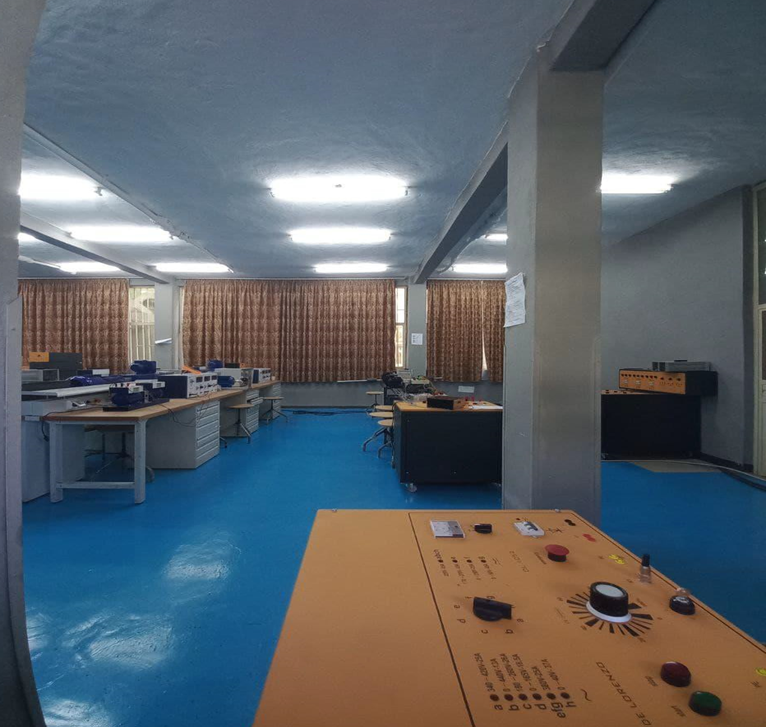
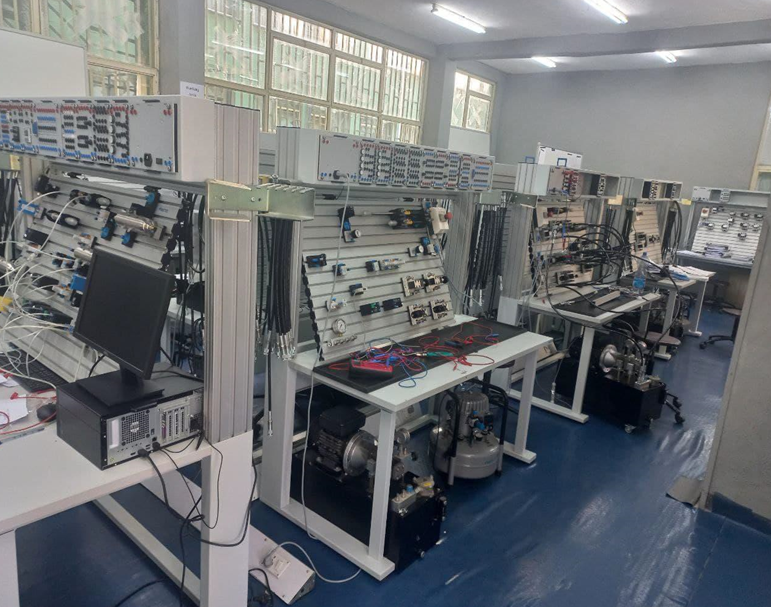
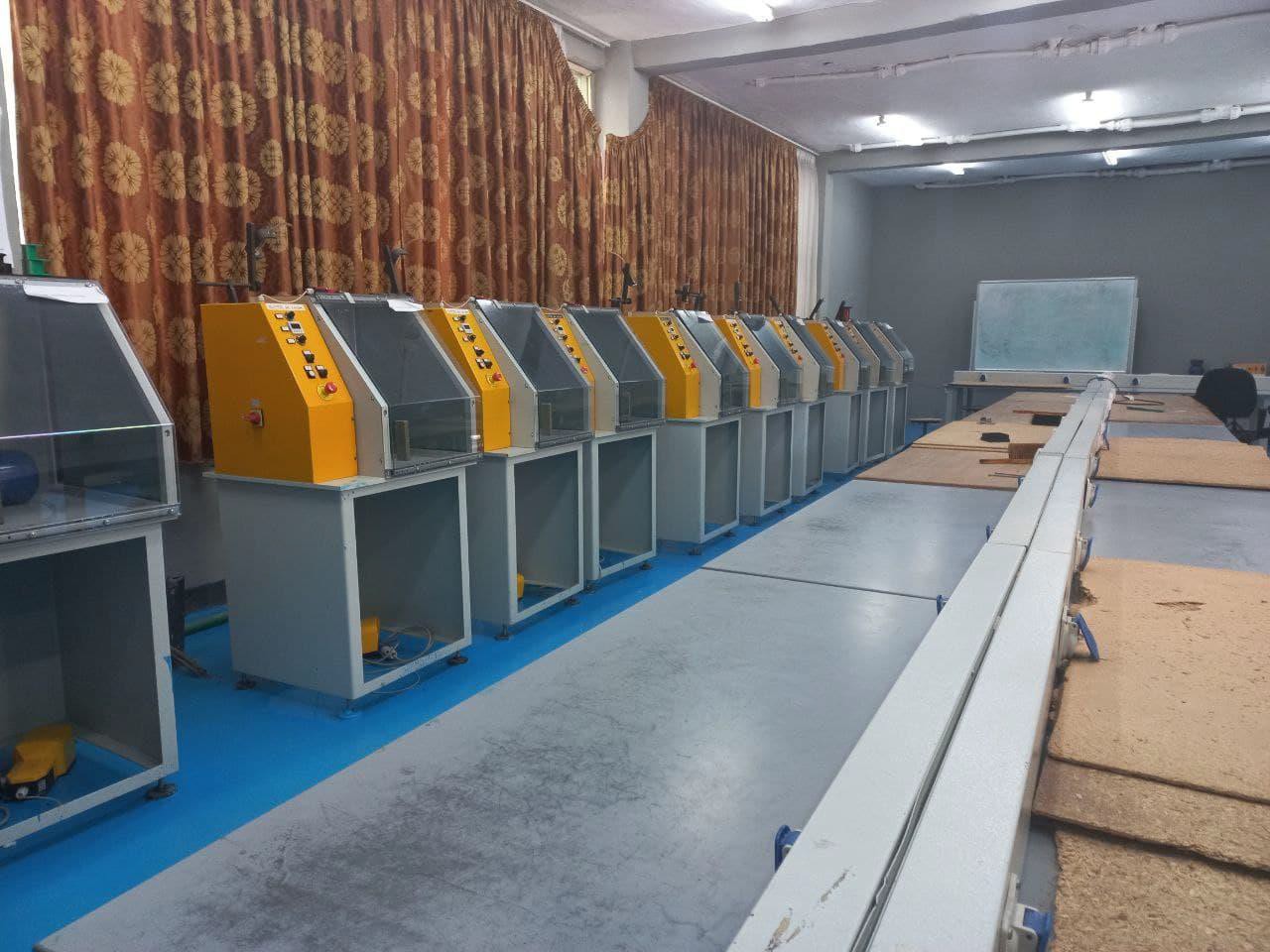
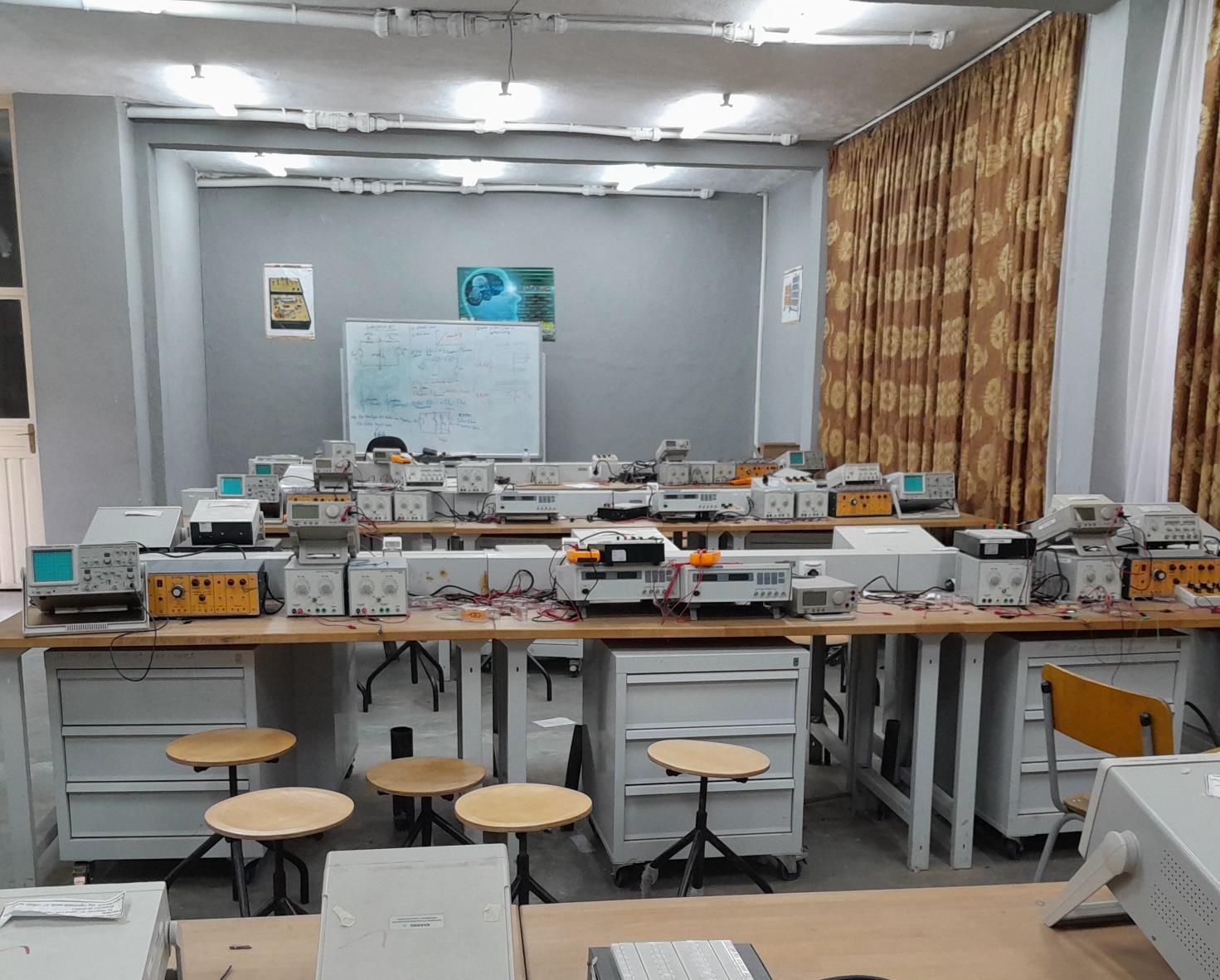
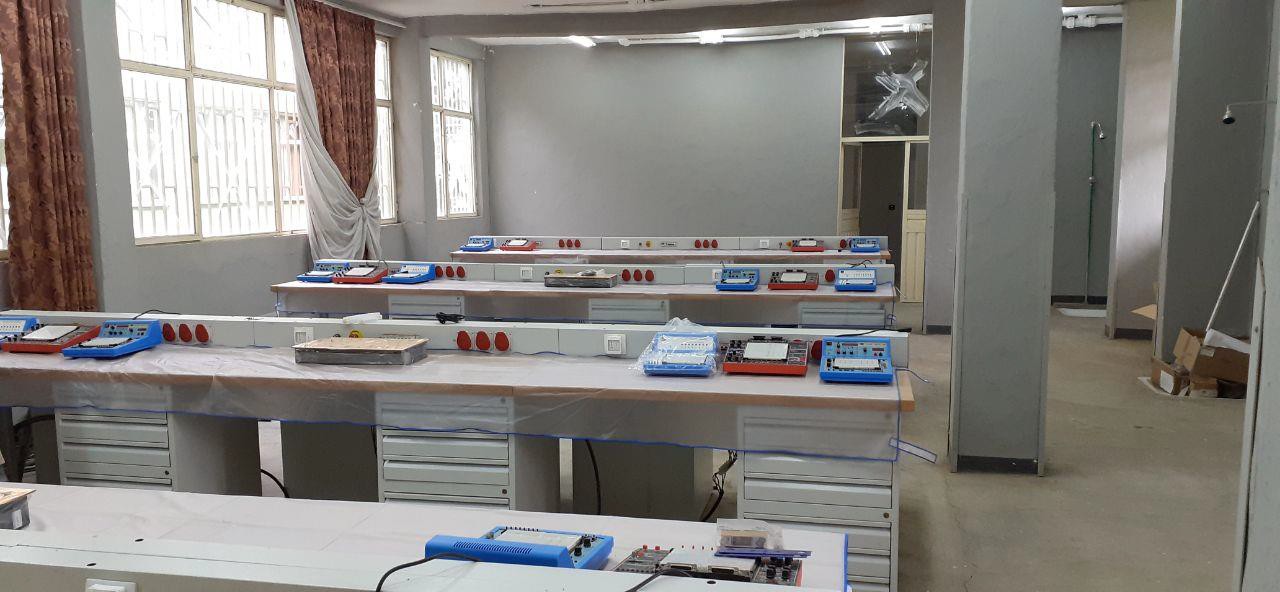
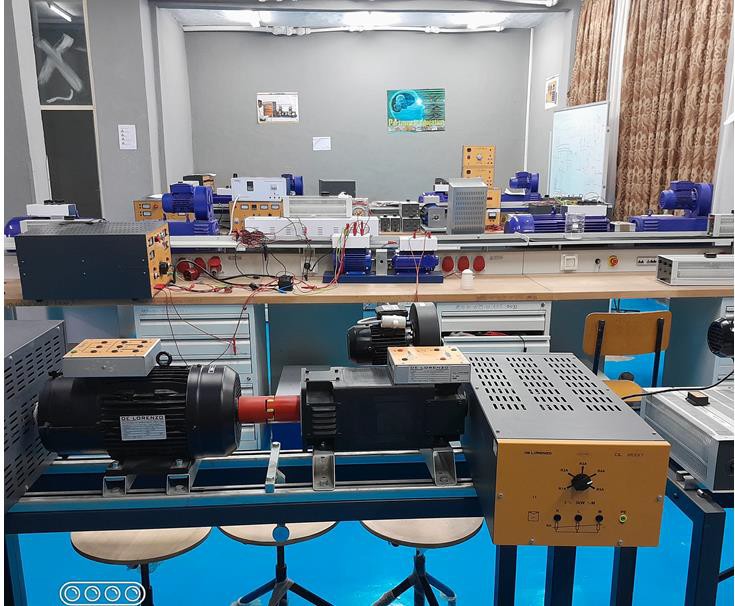
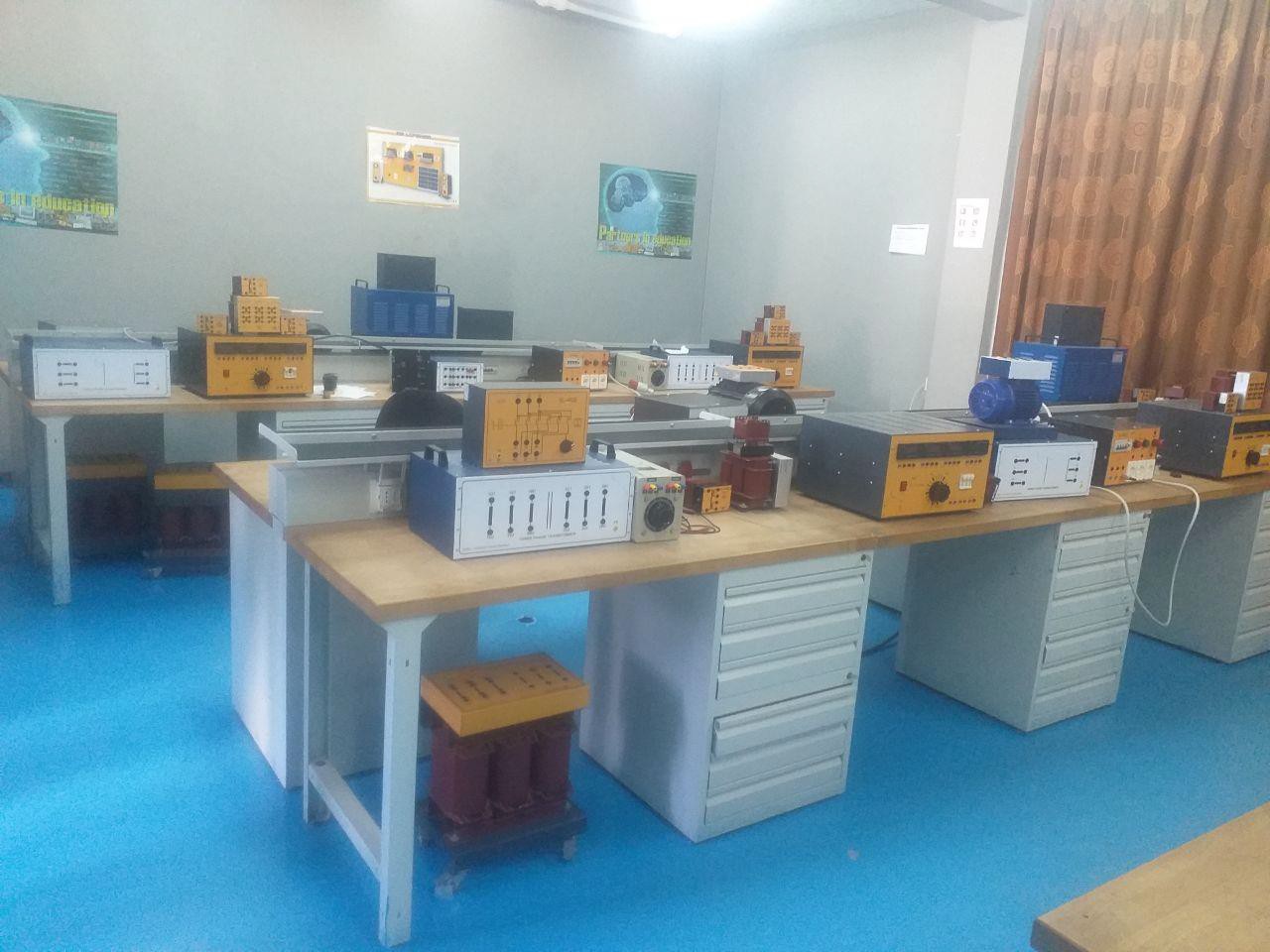
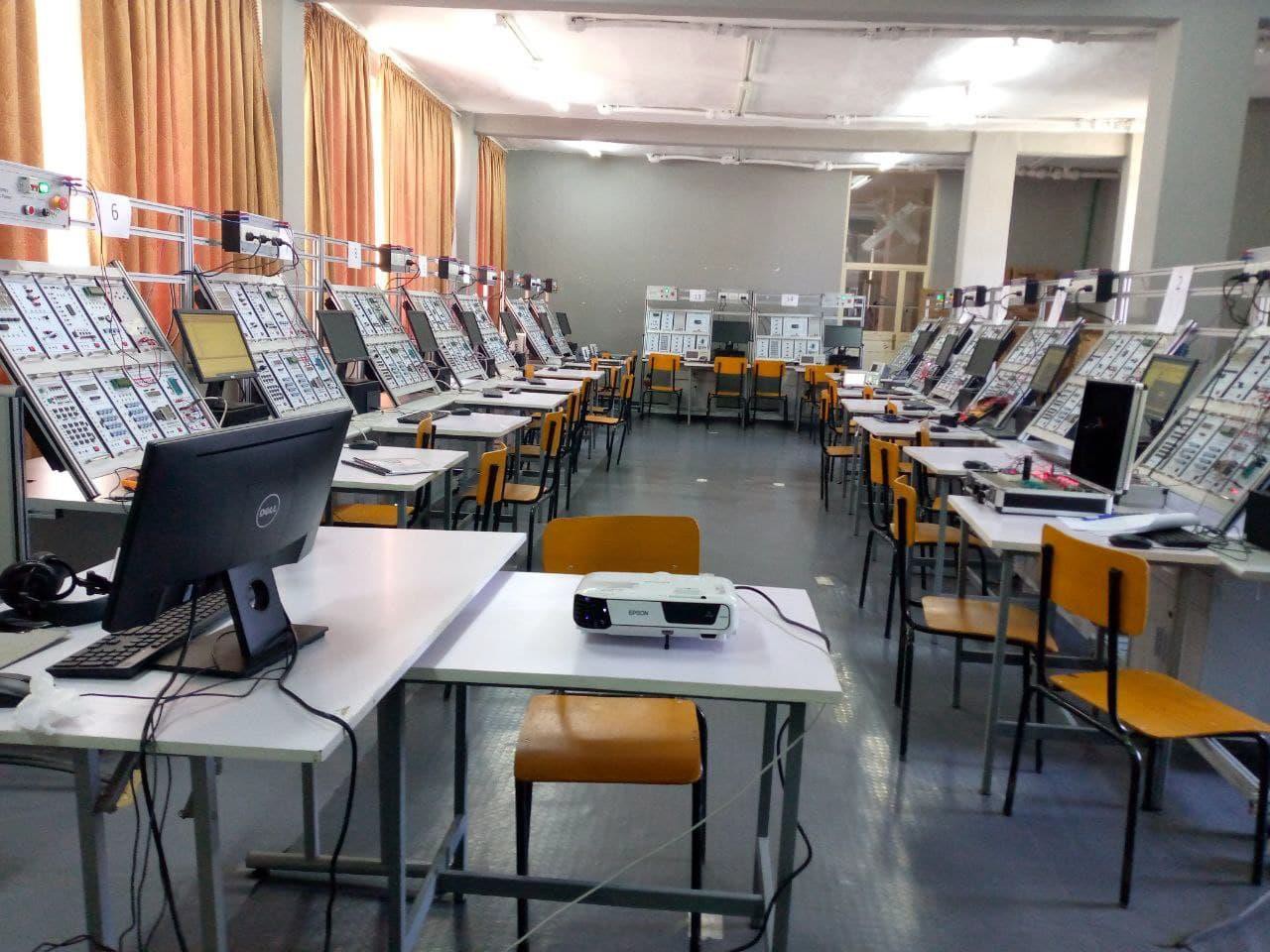
Table 1: Total number of Laboratories in Electrical and computer engineering
No. | Lab. Name | Address |
1 | Electrical Workshop | Block –79/R008 |
2 | Pneumatics & Hydraulic LAB | Block –79/R009 |
3 | Machine LAB II | Block –79/R003 |
4 | Fundamental Circuit LAB | Block –79/R103 |
5 | Electronics LAB | Block –79/R104 |
6 | Electrical Machine LAB I (Transformer LAB) | Block –79/R110 |
7 | Power Systems LAB | Block –79/R110 |
8 | Embedded Systems LAB | Block –79/R303 |
9 | Communication Systems LAB | Block –79/R210 |
10 | Digital Logic Design (DLD) LAB | Block –79/R309 |
11 | Instrumentation and Control LAB | Block –79/R310 |
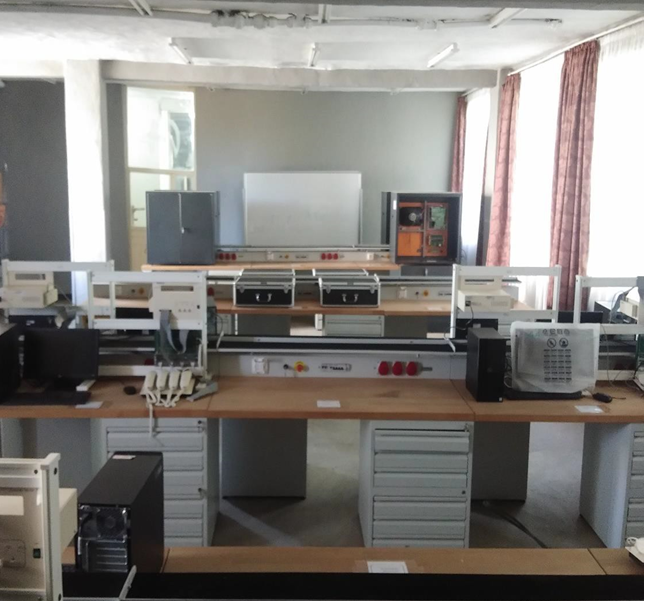
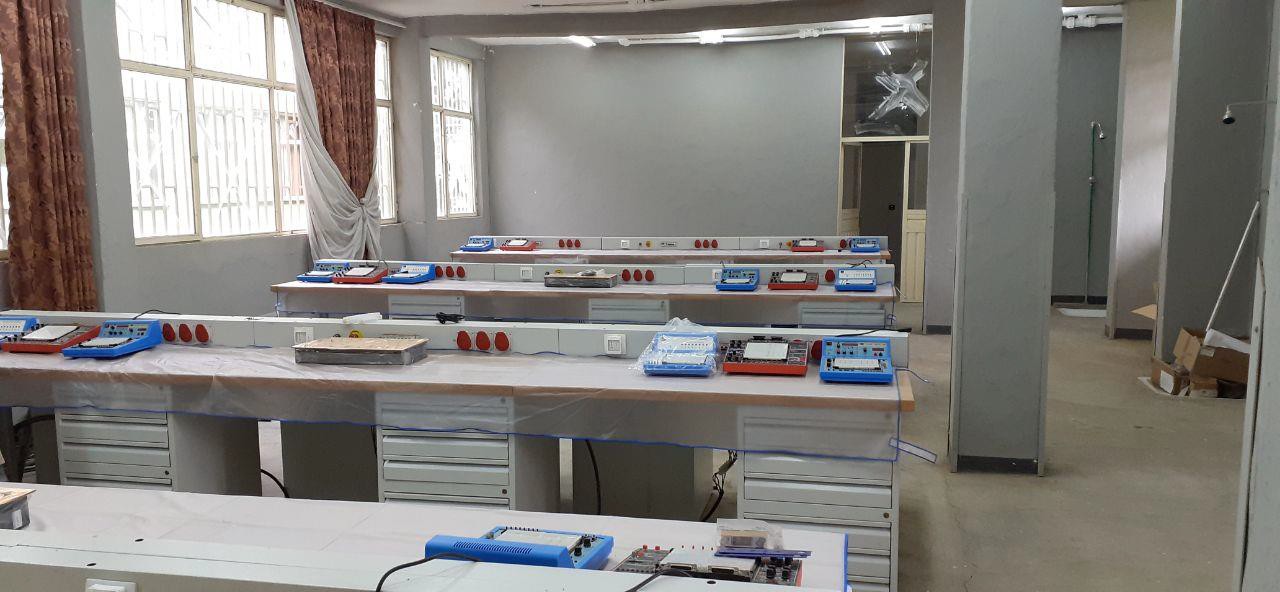
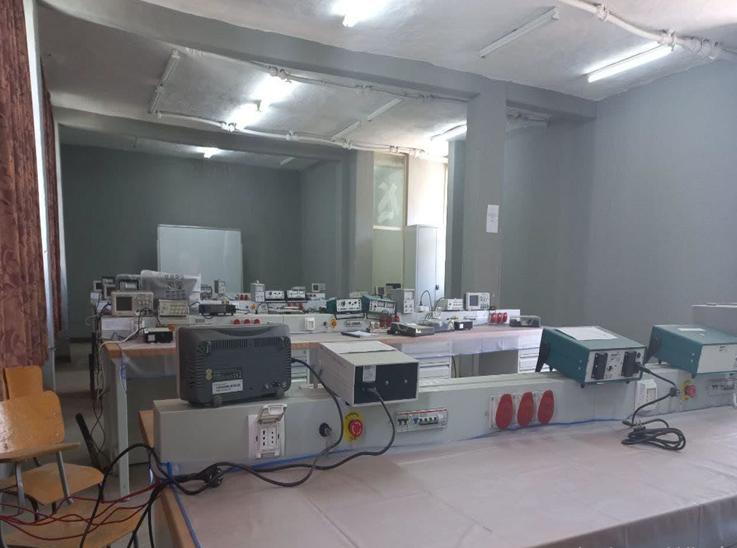
12 | Computer Simulations LAB | Block -79/R403 & R404 |